

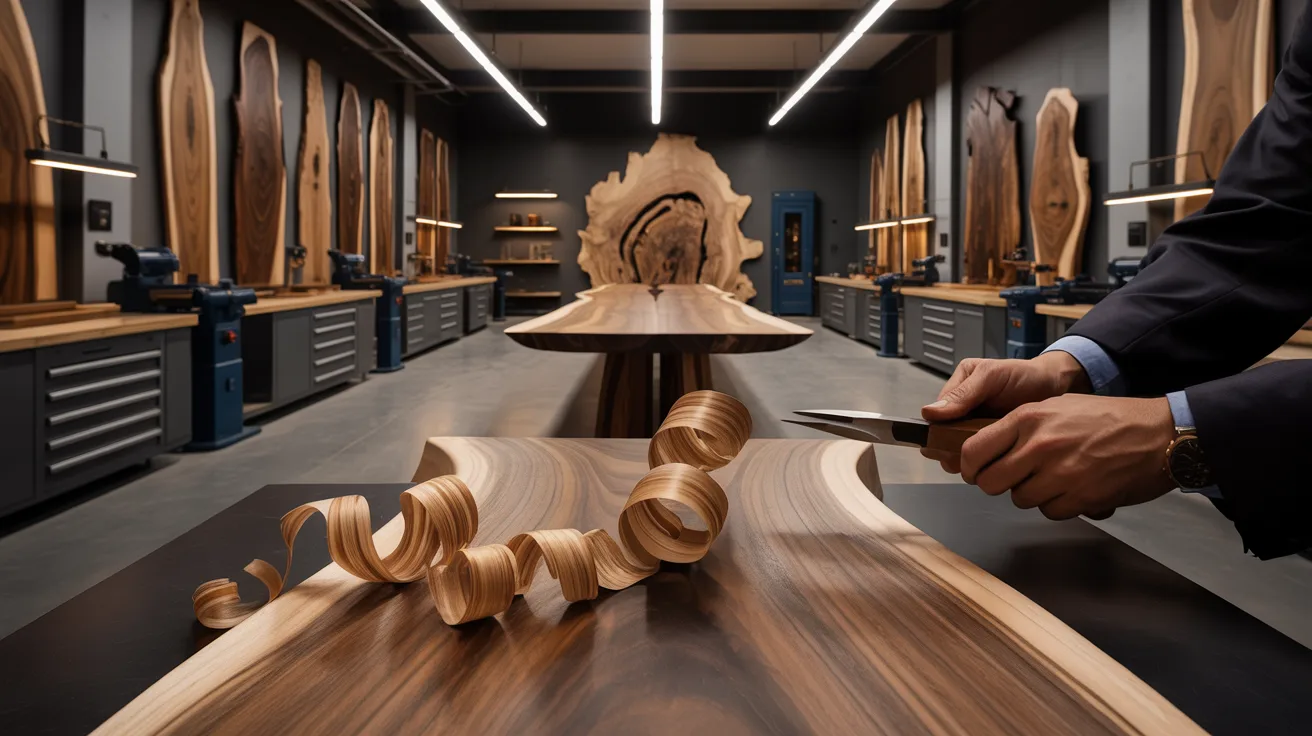
There is something grounding about real wood in a space. It has weight, texture, and a sense of time that no composite can fake. In luxury homes right now, woodworking is not about excess or flash. It is about restraint, intention, and pieces that feel like they belong exactly where they are. Designers and homeowners are leaning into custom millwork, built-ins, and architectural details that feel permanent without feeling heavy. The goal is warmth with intelligence, beauty that works as hard as it looks.
This shift is not nostalgia driven. It is forward-looking, fueled by better tools, better finishes, and a renewed respect for the people who actually make things with their hands. Woodworking is stepping out of the background and becoming a defining feature of high-end interiors.
Custom Woodwork Is Becoming the Backbone of High-End Design
Luxury interiors used to rely on furniture and finishes to do most of the talking. Now the structure itself is part of the conversation. Custom cabinetry, staircases, wall paneling, and integrated storage are being designed as permanent elements rather than afterthoughts. When woodwork is planned alongside architecture, it changes how a home feels from the moment you walk in.
This is where experience matters. Builders of custom cabinets in Scottsdale, Richmond or anywhere else, you need a reputable company that understands proportion, grain selection, and how wood behaves over time. Precision is not just about clean lines. It is about doors that still close perfectly in ten years, drawers that glide without effort, and finishes that age gracefully instead of cracking or yellowing.
The best custom shops work closely with designers and homeowners, translating ideas into pieces that feel effortless. When it is done right, you do not notice the craftsmanship at first glance. You feel it in how the space functions and how calm it feels to live in.
Why Natural Materials Feel More Luxurious Than Ever
There is a reason wood is having such a moment. After years of high-gloss surfaces and ultra-minimal finishes, people want materials that feel human. Wood brings variation, warmth, and subtle imperfection, which makes a space feel lived-in without looking casual.
Luxury woodworking today often favors natural tones and visible grain rather than heavy stains or ornate detailing. White oak, walnut, and ash are popular choices because they balance strength with elegance. These woods work just as well in a modern kitchen as they do in a traditional library, which makes them incredibly versatile.
What elevates these materials is how they are used. Clean profiles, thoughtful joins, and consistent grain matching turn simple wood into something refined. The focus is not on showing off technique but on letting the material speak for itself.
The Details That Separate Fine Woodwork From Forgettable Pieces
Anyone can install cabinets. Not everyone can create woodwork that feels truly custom. The difference shows up in the details, often the ones you do not notice right away. Soft-close hardware that feels tuned rather than stiff. Edges that are eased just enough to be comfortable without losing their shape. Interiors finished with the same care as exteriors.
Joinery matters too. Dovetails, mortise-and-tenon joints, and well-executed mitered corners are not just decorative. They add strength and longevity. In luxury spaces, durability is part of the aesthetic, even if it stays invisible.
Lighting also plays a role. Integrated lighting within shelving or cabinetry highlights wood grain and adds depth without calling attention to itself. When woodwork is designed with light in mind, it feels intentional at every hour of the day.
Why Designers Are Using Wood Veneer in Smarter Ways
Solid wood will always have its place, but veneer is no longer seen as a compromise. When done well, using wood veneer allows for consistency, stability, and creative freedom that solid wood cannot always offer. Veneer makes it possible to wrap large surfaces in uninterrupted grain, creating a seamless look that feels expansive and calm.
High-quality veneer is sliced thin from real wood, then applied to stable substrates that resist warping. This approach is especially valuable for wide panels, tall cabinet doors, and wall treatments where movement would be an issue with solid boards. The result is a surface that looks rich and natural while performing better over time.
Designers are also using veneer to highlight rare or dramatic wood species in a responsible way. Instead of consuming large amounts of exotic wood, veneer allows a little to go a long way. That balance of beauty and restraint fits perfectly with where luxury design is headed.
Woodworking as an Investment, Not a Trend
Custom woodwork is not about following what is popular this year. It is about creating spaces that hold their value, both financially and emotionally. A well-designed built-in or custom kitchen becomes part of how a home lives, not something that needs to be replaced when tastes change.
Homeowners who invest in quality woodworking often find that it anchors their design decisions. When the bones of a space are strong, everything else falls into place more easily. Furniture, art, and textiles feel more intentional because the foundation is solid.
There is also a sustainability angle that cannot be ignored. Well-made woodwork lasts. It gets refinished rather than replaced. It is repaired rather than discarded. In a world of disposable everything, that longevity feels genuinely luxurious.
Where Craftsmanship Is Headed Next
The future of luxury woodworking is not louder or more ornate. It is smarter. Digital tools are helping craftsmen achieve incredible precision, while hand-finishing keeps the work grounded and tactile. The blend of technology and tradition allows for creativity without sacrificing quality.
Clients are also becoming more informed. They ask better questions about materials, finishes, and construction methods. That push for transparency is raising the bar across the industry and rewarding shops that take pride in their work. As homes continue to evolve, woodworking will remain a defining element, shaping how spaces feel and function. It is not about chasing attention. It is about creating something that feels right every single day.
