

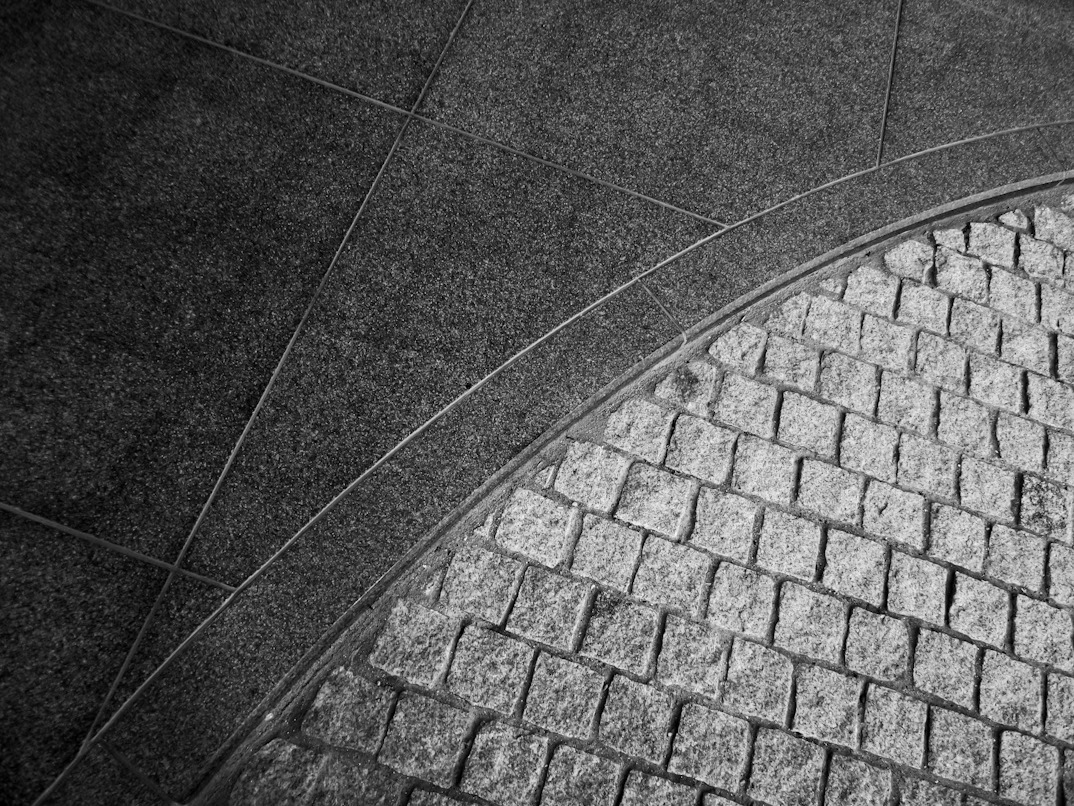
A paved driveway, patio, or walkway offers several benefits to your home, including boosting curb appeal, enhancing accessibility and safety, and providing long-term durability. However, all these advantages don’t always come easily. You need to first understand the practical tips for constructing and maintaining pavements before you can go for one and its benefits.
Well-constructed and well-maintained pavements are a sure way to keep your walkways, driveways, and patios in great shape for a long time. Below, we’ll look at some of the most practical pavement construction and maintenance tips you can consider for a functional and safe home that will pass the test of time.
Understand the Basics of Pavement Engineering
Even in small-scale paving projects, you need to uphold the standard engineering procedures required for effective pavement construction. These are the same processes used to design and maintain roads, parking lots, airports, and other transportation surfaces. The primary reason for understanding the basics of pavement engineering is to select the right materials based on their strength and performance.
Based on material considerations, you can either construct flexible or rigid types of pavements in your home. Flexible pavements are those that utilize asphalt layers that bend without cracking when exposed to high traffic. On the other hand, rigid pavements are those made from concrete and are strong and firm throughout their entire formation. They need careful joint installation to handle stress effectively, so you don’t worry about repairs every so often.
Flexible pavements often stand out as the most preferred for high-traffic areas. If numerous activities take place in your yard, you may want to consider asphalt paving. The only major maintenance issue you should be concerned about is asphalt resurfacing, which helps restore your pavement after years of continuous use and wear.
If flexible pavements don’t look like it for you, rigid pavements are also a great option, but only in yards that don’t experience frequent high traffic. Whichever option you choose, ensure that effective preparation is done, and only allow experts to do the installations.
Prepare for Regular Inspections
Regular inspections form the cornerstone of proactive pavement maintenance. Through intentional inspections, you can catch early signs of pavement problems such as cracks, surface irregularities, and potholes. If you weren’t already prepared for constant inspections, then pavement should prepare you for this new norm.
Paving can be an expensive project to undertake, and you don’t want your investments to go down the drain a few months or years after installation. By maintaining a regular inspection pattern, you can easily identify and address any potential problems early, before they escalate into more significant issues.
While handling your regular inspections, you should consider existing technologies that can help streamline the whole process. Technologies such as pavement imaging and sensors can enhance inspection accuracy, providing crucial data to support your maintenance efforts.
Handle Repairs on Time
Spotting pavement problems early is beneficial, but when those issues are left unattended for an extended period, they can escalate into even more significant problems. Different pavement problems can escalate at varying rates, depending on the trigger, the location of the issue, and other factors. In general, these problems can escalate more quickly than you think, prompting the need to take quick action to address the situation early.
Common pavement problems, such as cracks, potholes, and surface deterioration, can escalate quickly when exposed to weather elements and heavy foot traffic. When repairing the damage, check for possible causes, such as root intrusions or excessive water in the soil, that may cause the pavement to warp and crack. Deal with such causative factors first before you repair the pavement to ensure there will be no repeat of the same problem anytime soon.
Timely repairs will help you maintain your pavement and overall home aesthetics while also contributing to the pavement’s structural integrity for durable performance. Ensure you use expert repair services to streamline the repair process and ensure the highest quality of repair work.
Construct and Maintain an Effective Drainage System
Drainage systems play a crucial role in keeping pavements safe and in perfect condition, even at home. Constructing effective drainage systems is especially important if your pavements are located in flat areas where water is most likely to accumulate. The drainage systems will help prevent water from pooling around paved driveways, parking lots, patios, and other paved surfaces in your yard.
When water is left to accumulate on and around the paving, problems such as cracks or erosion can arise, causing your paved surfaces to deteriorate in quality much faster. Your drainage systems should be constructed by experts who will professionally guide them into the municipal drainage for a seamless water flow out of your home.
Constructing good drainage systems alone isn’t enough. Ensure they are well-taken-care-of and repaired on time in case of damage, to ensure an uninterrupted water flow. Get them unclogged and cleaned to reduce instances of blockages and water piling back up to your home.
Consider Seal Coating
Nothing works better at maintaining pavements than investing in preventative solutions, such as seal coating. Since harsh weather elements are among the leading causes of pavement deterioration, it’s essential to protect your pavement before it’s affected. By applying a seal coating, you can help shield the pavement from direct exposure to harsh elements and extend its lifespan.
Common environmental elements that harm pavements include UV rays from the sun, snow, and rain. While rain mostly attacks the paving material from underneath, through cracks and gaps, sun and snow can affect the paved surface from above. Applying a sealing coat can protect the paving mostly from sun and snow, and keep flowing water from accessing cracks and penetrating underneath the pavement.
You can apply a sealing coat regularly in cold weather as part of your maintenance best practices to enhance your pavement’s resilience and prolong its lifespan. A well-applied seal coating also enhances the pavement’s appearance, which contributes to improving your home’s overall curb appeal and boosting its value.
Choosing pavements for your home’s hardscaping is a rewarding choice that will keep your yard looking clean and functional, especially where grass doesn’t naturally thrive. However, you must support the pavement’s well-being with a regular maintenance schedule that will keep it in top shape throughout various seasons. By implementing the above construction and maintenance tips, you can achieve a remarkable pavement performance even in a small space.
