

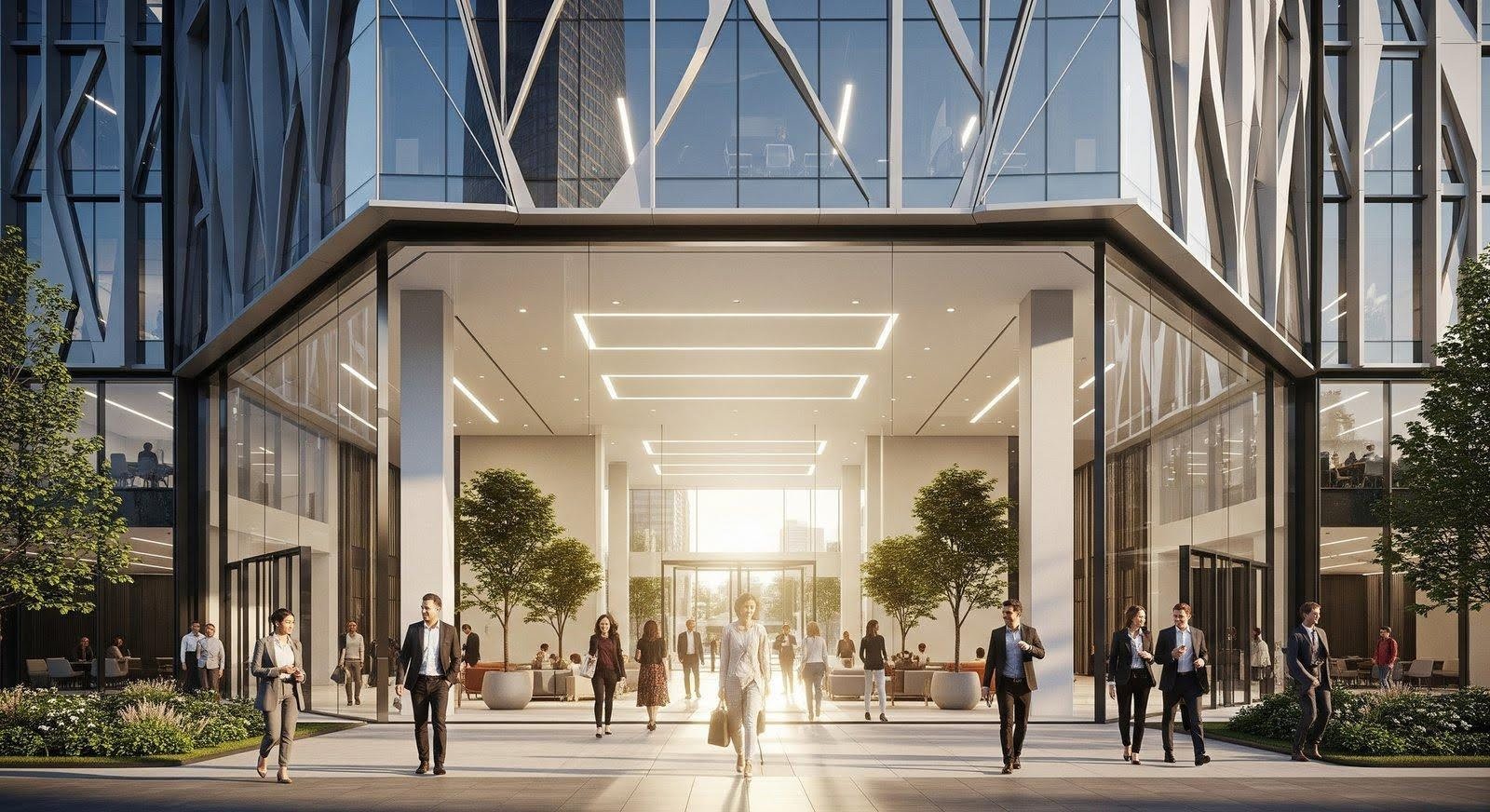
Common construction services for urban buildings cover a wide range of professional work, from early site preparation and structural engineering to mechanical, electrical, and plumbing (MEP) systems, interior fit-outs, and long-term building upkeep. In crowded city settings, these construction services are key to turning design plans into working high-rises, housing communities, and commercial centers.
These services are highly specialized and often rely on modern technology and strict safety and zoning rules so that every building is strong, accessible, and fire-safe.
Beyond putting up the structure itself, urban construction services also include early-stage planning, such as feasibility studies and land surveys, plus post-construction repair and maintenance. Because city projects usually involve dense living and working spaces, the work often stretches into areas like green building certifications and upgrades to historic buildings.
Whether it is a new tower or a complex mixed-use project, careful coordination between many trades is the foundation of successful city development.
What Are Common Construction Services for Urban Buildings?
Which Types of Urban Buildings Require Construction Services?
City skylines are made up of many different types of buildings, each needing a specific mix of construction services to match its final use. Residential high-rises and multi-unit apartments are the most visible, helping provide enough housing for growing city populations. These projects require careful planning for community fit and energy efficiency so that homes are safe, comfortable, and cost-effective to run over time.
Commercial and institutional buildings also make up a large part of city construction. This group includes office towers, malls, hotels, entertainment complexes, and public buildings such as hospitals, universities, and government offices.
Each category has its own engineering needs. For example, a hospital needs strict safety standards and complex MEP systems to protect patients, while an office tower may focus more on modern design and easy access for heavy daily foot traffic.
What Sets Urban Construction Services Apart From Other Sectors?
Building in a city is far more complex than in suburban or rural areas because of limited space and the closeness of existing buildings and utilities. Logistics are a major challenge: contractors must plan material deliveries and heavy equipment use on narrow streets without causing major disruption to neighbors and traffic.
This often means thinking vertically-building up instead of out-which brings special structural challenges and requires strong materials like reinforced concrete and protected steel.
Urban construction is also controlled by many layers of local zoning rules, building codes, and accessibility standards such as the Americans with Disabilities Act (ADA). Safety rules are often stricter in cities. Buildings are classified by their level of fire resistance (Types 1 through 5), with many urban high-rises built as Type 1 fire-resistive construction. This rating helps buildings stand up to extreme heat and smoke and allows safe evacuation for large numbers of people, which is less of an issue in spread-out, low-rise areas.
What Are the Types of Urban Construction Projects?
Residential High-Rise and Multi-Unit Housing
Urban residential construction focuses on using vertical space to meet strong demand for housing. Projects range from luxury condos and townhouses to large apartment complexes. Because these buildings can hold hundreds or thousands of residents, developers must give top priority to structural strength and fire safety.
Maintaining the integrity of these facades is equally important, and many developers rely on Nova Construction Services, a leading exterior restoration company specializing in the repair and restoration of structures, to ensure long-term durability. Most urban residential towers use Type 1 construction, which uses non-combustible materials like concrete and steel to provide three to four hours of fire resistance.
Beyond the main structure, these projects include heavy interior work to create livable homes. This can include soundproofing between units, high-performance insulation, and modern appliances and finishes. Builders also plan shared amenities, such as green spaces, gyms, or community rooms, to improve daily life for residents in dense neighborhoods.
Commercial and Office Buildings
Commercial projects aim to generate revenue or provide services to the public and cover everything from big-box retail to landmark office towers. These buildings focus on function, ease of access, and modern visual appeal.
Because they often see higher daily visitor counts than homes, they use durable materials and floor plans that fully follow ADA requirements. The complexity of many commercial projects means they are expensive, and only contractors with strong prequalification and bonding capacity can take them on.
Office buildings are changing to support new work styles, including employee wellness and collaboration. This has led to a rise in renovation and remodeling, where older office spaces are updated with smart technology, flexible layouts, and shared work areas. These projects must join an eye-catching exterior with a practical interior that can support high-speed networks, data centers, and advanced building systems.
Institutional and Educational Facilities
Institutional buildings serve the public, including hospitals, schools, libraries, and government offices. These projects are different from typical commercial work because they must welcome the public while remaining extremely tough and safe.
For example, a university building must handle thousands of visitors every day, stand up to heavy use, and still meet strict energy-use targets. Because many of these jobs use public funding, they come with high oversight and must follow detailed public works rules.
Healthcare buildings form one of the most specialized parts of institutional construction. Hospitals and clinics need advanced MEP systems to support medical equipment and must be designed to limit the spread of infection. Quick recovery and minimal downtime are critical. If a fire, flood, or other event damages part of the building, repair teams have to respond fast so that services can continue with little or no disruption.
Industrial Buildings in City Environments
Even though they are often placed at the edges of cities, industrial buildings-such as warehouses, processing plants, and power stations-are essential for city supply chains. These buildings must support heavy equipment and large production lines, so they need strong foundations and tall, open interiors. Industrial projects must closely follow OSHA rules and other safety standards, especially when dealing with hazardous materials or large machines.
Today, many urban industrial projects focus on “last-mile” delivery centers. These warehouses are set up for speed and efficiency and often use Type 2 non-combustible construction. Although Type 2 is less fire-resistive than Type 1, it is more affordable and works well for large open floor plans that support automated sorting equipment and fast-moving logistics.
Mixed-Use Developments
Mixed-use projects are a key feature of modern city planning. They combine housing, offices, retail, and sometimes transit hubs in one development. They can be vertical-such as a tower with shops at street level and apartments above-or spread across several blocks to create a full live-work-play district. This kind of project increases walkability and helps developers spread financial risk across several types of tenants.
Mixed-use construction is complex because the builder must meet the building codes and practical needs of both housing and commercial areas in the same project. Planners must handle questions like where to place parking, how to limit noise between shops and apartments, and how to design shared mechanical and electrical systems. Even with these challenges, mixed-use projects remain popular because they can bring new life to underused city locations.
What Building Construction Services Are Offered in Urban Areas?
Site Preparation and Land Surveying
Before a building can go up, the land must be carefully prepared. Site preparation includes clearing debris, tearing down old buildings, and grading the soil to create a level base. In cities, this step is especially critical because of the many existing underground utilities, such as water lines, sewers, gas pipes, and fiber cables. These must be protected or moved before major digging can take place.
Land surveying is just as important. Surveyors measure exact property lines and map the shape and elevation of the land. Accurate surveys help avoid legal disputes and make sure the building sits in the right place under zoning rules. For “horizontal” projects such as roads and runways, site prep can also include soil stabilization and the use of lean concrete to provide a solid platform for the structure above.
Structural Construction and Framing
The structural phase is where the building’s frame or skeleton is built. In city settings, this often means reinforced concrete or steel frames, especially for taller buildings using Type 1 or Type 2 construction. The material choice depends on the building’s height, purpose, and fire rating needs. For smaller homes and townhouses, Type 5 wood framing is still common because it is cheaper and faster to build, though it needs extra fire protection such as fire-rated drywall.
Framing services can also include newer methods such as “mass timber” for projects focused on sustainability. Mass timber uses large solid wood panels that char on the outer layer in a fire while remaining strong inside, slowing down structural failure. Whatever the material, this stage needs skilled oversight so that the building can handle wind, earthquakes, vibrations, and the weight of people, furniture, and equipment.
Electrical, Mechanical, and Plumbing (MEP) Services
MEP services act like the building’s vital systems. Mechanical work focuses on HVAC (heating, ventilation, and air conditioning), which keeps air quality and temperature at comfortable levels in large towers. Electrical work includes power distribution, lighting, communication systems, and emergency backups, with close attention to fire alarms, emergency exits, and stairwell pressurization to limit smoke spread.
Plumbing services provide safe drinking water and remove wastewater. In high-rises, this often means special pumping systems to keep good water pressure at upper levels. Coordinating MEP systems can be one of the hardest parts of city construction, since these networks must fit within tight spaces and work smoothly with the structure and interior design.
Interior Construction and Fit-Out
After the shell is built, interior construction turns the empty structure into usable space. This includes installing walls, floors, ceilings, doors, built-in cabinets, and finishes. Remodeling and renovation are major parts of interior work in cities, as spaces are regularly updated for new tenants or changing needs. For commercial clients, fit-out services adjust the space to match brand style and operations, using special lighting, custom millwork, and upgraded finishes.
For homes, interior work focuses on comfort, good layout, and low upkeep. Crews may apply skim coats, masonry finishes, and use strong materials to reduce future damage. In lightweight brick walls, special adhesives and fast-setting mortars help create a solid bond and add to the strength and stability of interior partitions.
Exterior Envelope and Facade Services
The building envelope separates indoor spaces from the outdoor environment. It includes the walls, roof, windows, and doors. Facade work matters for both appearance and performance. In cities, facades often use glass, metal panels, or masonry and must stand up to rain, temperature changes, and high wind at upper floors while also providing insulation.
Keeping the envelope in good condition is key to stopping water leaks and structural decay. Common services include roof replacement or repair, siding and cladding installation, sealant and flashing work, and waterproofing. For older buildings, facade restoration might mean cleaning stone or brick, repointing mortar, patching concrete, and upgrading windows to maintain the original style while improving energy use and safety.
Sustainable and Green Building Construction
Demand for green building services is growing as cities work to cut emissions and improve air quality. These services focus on eco-friendly materials such as recycled steel, low-VOC paints and coatings, and sustainable wood products. Green construction can also include solar panels, efficient lighting and HVAC systems, rainwater harvesting, and jobsite waste programs that favor recycling over landfill disposal.
Many projects aim for LEED (Leadership in Energy and Environmental Design) or similar certifications, which require a full-building approach. This can cover efficient HVAC, water-saving plumbing fixtures, smart controls, and careful material selection. These efforts help the environment and can also lower utility bills and boost long-term property value, since tenants increasingly look for healthy, efficient spaces.
Demolition and Renovation Services
In built-up cities, new projects often start with removing older structures. Demolition services safely bring down buildings, usually with techniques that reduce dust, vibration, and noise so nearby residents and businesses are affected as little as possible. After demolition, crews clear debris and prepare the ground for the next building phase.
Renovation and restoration services help older buildings stay useful longer. Work can range from small upgrades, like new windows and interiors, to major changes such as turning factories into lofts or offices. Many of these projects include structural repairs-such as injecting concrete into cracks or adding steel supports-to restore strength and keep the building safe for years ahead.
Maintenance and Facilities Management
Construction work does not stop once a building opens. Ongoing maintenance and facilities management keep buildings safe, attractive, and efficient. Tasks include regular checks of MEP systems, cleaning, minor repairs, and periodic upgrades. In large complexes, full-time facility managers organize these activities and keep records to stay in line with safety and inspection rules.
Preventive maintenance is especially important in high-occupancy buildings, where system failures can affect many people at once. Fire sprinklers, alarms, elevators, generators, and emergency lighting must be tested regularly under local laws. By planning maintenance instead of waiting for breakdowns, owners can avoid sudden, expensive repairs and keep tenants satisfied.
Safety and Compliance Services
Safety is the main focus on any city construction site. Safety services include writing site-specific safety plans, training workers, and enforcing rules that limit risks. This is especially important around heavy equipment, cranes, and hazardous chemicals. Frequent safety inspections help catch issues early and prevent injuries to workers and passersby.
Compliance services help projects follow all required building, environmental, and labor laws. This includes staying current with building codes, air and water rules, and union or wage requirements. Handling the permit process is a major part of this work. Missing a key permit can slow a project or stop it entirely, so many teams hire code and permit specialists to keep paperwork and inspections on track.
How Do Building Codes and Regulations Affect Urban Construction Services?
Key Permitting and Inspection Requirements
Building codes are legal rules that guide how buildings are designed, built, and maintained to protect public health and safety. In cities, the permit process can be long and detailed, often needing reviews and approvals from several agencies before work can start. Permits cover structure, fire safety, electrical and plumbing systems, and sometimes environmental impact. Without permits, most lenders will not finance a project, and construction cannot legally move forward.
Government inspectors visit the site at different points to check that work matches the plans and codes. For example, a structural inspection must pass before framing can be covered. These checkpoints act as quality control, reducing the chances of hidden defects, costly rework, or safety issues once the building is open.
Impact of Local Zoning Laws on Service Scope
Zoning laws control land use and building types in each area of a city. Some zones are reserved for housing, others for commercial use, and others for industrial activities. Zoning also controls building height, allowed density, parking, and how far a building must sit from the street or property line. For construction teams, these rules define what kind of project can go on a site and shape the size, design, and number of units.
City planners use zoning to guide growth, support transport networks, and match new projects with local services such as schools and utilities. When developers want to build something that does not fit existing zoning-such as a taller building or a mixed-use project-they may apply for a variance or special permit. This usually involves meetings with planning boards, public hearings, and negotiation with community groups.
Sustainability and Energy Efficiency Standards
Many cities now include sustainability and energy targets in their building rules. These may require high-performance insulation, efficient windows, LED lighting, and low-flow toilets and faucets. Some areas also set minimum standards for energy performance or require renewable energy, like solar power, on certain types of projects. Such rules create steady demand for green consultants, energy modelers, and contractors who know how to meet these goals.
Meeting these standards can cut utility costs and make buildings more attractive to tenants and buyers. High-efficiency buildings often have better indoor comfort, lower long-term operating costs, and a stronger market image. As codes keep changing, construction teams must stay current with new products and techniques to keep their projects compliant and competitive.
What Is the Role of Technology in Urban Construction Services?
Building Information Modeling (BIM) Applications
Building Information Modeling (BIM) has changed how city projects are planned and carried out. BIM uses a detailed digital model to show a building’s physical parts and how they work together. This “digital twin” allows architects, engineers, and contractors to share one coordinated model, spotting clashes between structural parts and MEP systems before field work starts.
With BIM, teams can plan more accurately, reduce material waste, and keep schedules on track. During construction, BIM data helps managers monitor progress, manage deliveries, and track costs. After completion, the BIM file becomes a detailed reference for facility teams, storing information on equipment, finishes, and maintenance needs.
Virtual Design and Construction (VDC)
Virtual Design and Construction (VDC) is a broader method that uses BIM and other digital tools to manage the full life of a project. VDC connects people, workflows, and technology to hit schedule, budget, and quality targets. It can include 4D modeling (adding time to 3D models) and 5D modeling (adding costs) to give a clear view of how decisions affect both schedule and budget.
VDC supports better risk planning by allowing teams to test different construction sequences, crane locations, and site layouts in a virtual space and choose the best option. This is especially useful on tight urban sites, where space is limited and delays are costly. With VDC, owners, designers, and builders can review realistic simulations, adjust early, and reduce changes later in the project.
Use of Robotics, Automation, and Smart Tools
Robotics and automation are playing a growing role on construction sites, especially for repetitive, heavy, or high-risk jobs. Examples include automated equipment for earthmoving and grading, robotic bricklayers, and machines that assist with concrete placing or rebar tying. These tools can improve speed and accuracy and free skilled workers to focus on tasks that require judgment and experience.
Smart tools and connected devices-such as wearables, GPS trackers, and IoT sensors-collect real-time data on safety, productivity, and equipment health. For instance, wearable sensors can detect falls or unsafe movements, while concrete sensors can track temperature and moisture to confirm proper curing. These technologies support safer sites, better quality control, and more predictable schedules.
What Are Emerging Trends in Urban Construction Services?
Modular and Prefabricated Building Solutions
Modular construction builds parts of a structure in a factory and then ships them to the site for assembly. This method is gaining ground in cities because it can shorten on-site construction time and cut noise, dust, and traffic disruption. Prefabricated elements, such as walls, bathroom pods, and floor slabs, are made under controlled conditions with consistent quality and less waste.
Modular and prefabricated methods work especially well for projects with repeated layouts, such as hotels, student housing, and apartment buildings. Moving much of the work indoors protects schedules from weather delays and can help with labor shortages. As design and manufacturing tools improve, more complex and taller modular buildings are becoming possible.
Smart Building Integration
Smart buildings use digital systems to control and monitor building operations. These include sensors, automation, and analytics to manage lighting, HVAC, shading, access control, and more. For construction teams, this means planning technology from the very start so systems work together instead of being added piecemeal at the end.
A smart office, for example, may use motion or CO₂ sensors to adjust lights and temperature based on actual use, cutting energy waste. It can also feed data to facility managers about patterns of space use, equipment issues, and maintenance needs. As tenants come to expect this level of service, smart building features are becoming a standard part of new urban construction and major renovations.
Adoption of Sustainable Materials and Practices
Sustainability has become a core part of planning new city buildings. This includes using low-carbon materials like “green” concrete mixes, recycled metals, and certified wood, along with design strategies that allow future reuse or recycling of components. Mass timber is also gaining attention, offering lower embodied carbon and warm aesthetics for mid-rise buildings where codes allow.
Sustainable practices apply to the construction process as well. Contractors may use fuel-efficient equipment, limit dust and runoff with erosion controls, and separate jobsite waste so more can be recovered and reused. By adopting these methods, builders help cities reduce environmental impact and increase resilience to storms, heat waves, and other climate-related stresses.
The construction industry is a major part of the global economy. In the United States, it contributes over a trillion dollars each year, or about 4.5% of national GDP. This spending comes from ongoing infrastructure needs, new buildings, and upgrades to aging city areas.
As total construction outlays have climbed-topping $2.2 billion in a single month in mid-2025-the need for skilled construction services in cities has stayed very high. This growth supports millions of jobs and encourages new methods and materials that make buildings stronger, safer, and more efficient.
Looking ahead, resilient design and disaster recovery services will become even more important as cities deal with climate risks and older infrastructure. With a focus on long-lasting structures and smart use of technology, future urban buildings will be better prepared to serve their communities for many decades.
