

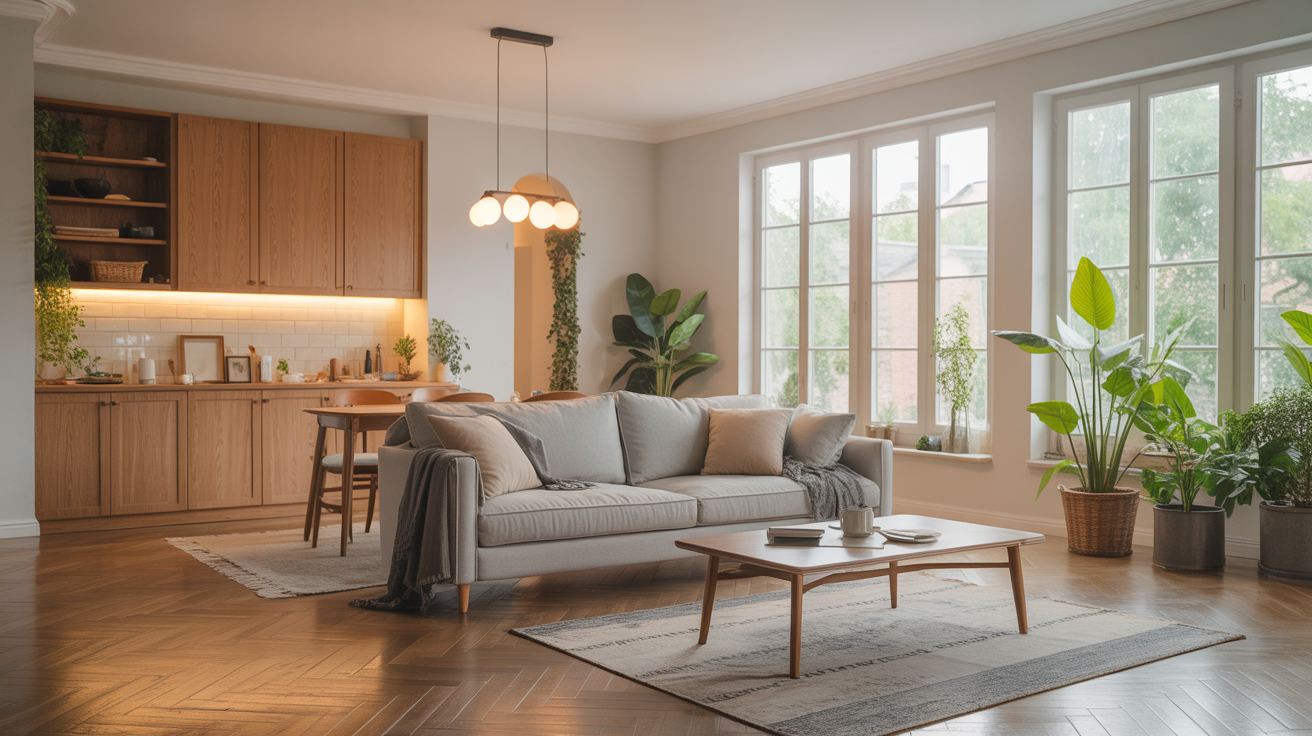
Home improvement is more than just decorating a house; it is about enhancing comfort, functionality, and value. Whether you are making small changes or planning a major renovation, home improvement projects can significantly improve your living space. A well-maintained and thoughtfully designed home not only looks beautiful but also supports a healthier and more organized lifestyle.
Understanding the Importance of Home Improvement
Home improvement plays a key role in maintaining the safety and comfort of a house. Over time, homes experience wear and tear, making repairs and upgrades necessary. Regular improvements help prevent bigger problems, such as structural damage, plumbing issues, or electrical hazards.
Improving your home also increases its market value. Buyers are more attracted to houses that are modern, energy-efficient, and well-maintained. Even simple upgrades like fresh paint or improved lighting can make a big difference.
Planning Your Home Improvement Project
Before starting any home improvement project, proper planning is essential. Identify your goals, set a realistic budget, and decide which areas of your home need the most attention. Planning helps avoid unnecessary expenses and ensures the project runs smoothly.
It is also important to prioritize projects based on need. For example, fixing a leaking roof or outdated wiring should come before cosmetic upgrades. Researching materials, designs, and costs in advance can save both time and money.
Improving Interior Spaces
Interior improvements can greatly enhance the comfort and appearance of your home. Simple changes such as repainting walls, upgrading flooring, or rearranging furniture can refresh any room.
Modern lighting solutions, including LED lights and smart lighting systems, improve both aesthetics and energy efficiency. Storage solutions like shelves, cabinets, and multifunctional furniture help keep spaces organized and clutter-free.
Kitchen Upgrades for Better Functionality
The kitchen is one of the most important areas of a home. Upgrading kitchen cabinets, countertops, and appliances can improve functionality and style. Energy-efficient appliances reduce electricity bills and support a sustainable lifestyle.
Adding better ventilation, proper lighting, and smart storage solutions can make cooking easier and more enjoyable. Even small upgrades, such as replacing old handles or adding a backsplash, can transform the kitchen’s look.
Bathroom Renovation and Comfort
Bathrooms should be both functional and relaxing. Upgrading fixtures like faucets, showers, and toilets can improve water efficiency and comfort. Modern bathrooms focus on clean designs, proper lighting, and smart storage.
Installing water-saving features not only reduces utility bills but also supports environmental conservation. Adding mirrors, better ventilation, and quality tiles enhances both style and hygiene.
Energy-Efficient Home Improvements
Energy efficiency is a major focus in modern home improvement. Insulating walls and roofs, sealing gaps, and installing energy-efficient windows help maintain indoor temperature and reduce energy costs.
Solar panels, smart thermostats, and LED lighting systems are popular upgrades that lower electricity usage. These improvements not only save money but also reduce your home’s carbon footprint.
Enhancing Outdoor Spaces
Outdoor areas such as gardens, patios, and balconies add beauty and relaxation to a home. Landscaping, planting trees, and maintaining lawns improve the overall appearance of your property.
Adding outdoor seating, lighting, or a small garden can create a peaceful space for relaxation and family gatherings. Proper drainage and regular maintenance ensure outdoor areas remain safe and functional.
Home Improvement for Safety and Security
Safety is a crucial aspect of home improvement. Upgrading door locks, installing security cameras, and improving outdoor lighting increase home security. Smoke detectors, fire extinguishers, and proper electrical wiring help protect against accidents.
Childproofing measures, such as secure cabinets and stair gates, make homes safer for families. Regular safety upgrades provide peace of mind and protect loved ones.
DIY vs Professional Home Improvement
Many home improvement tasks can be done as DIY projects, such as painting or small repairs. DIY projects save money and allow homeowners to personalize their spaces. However, complex tasks like electrical work or structural changes should be handled by professionals.
Hiring skilled professionals ensures quality work, safety, and compliance with building regulations. Choosing the right approach depends on the project’s complexity and budget.
Conclusion
Home improvement is an ongoing process that enhances comfort, safety, and value. From small upgrades to major renovations, every improvement contributes to a better living environment. By planning carefully, focusing on energy efficiency, and maintaining both interior and exterior spaces, homeowners can create a functional and beautiful home. Investing in home improvement not only improves daily life but also adds long-term value to your property.
