

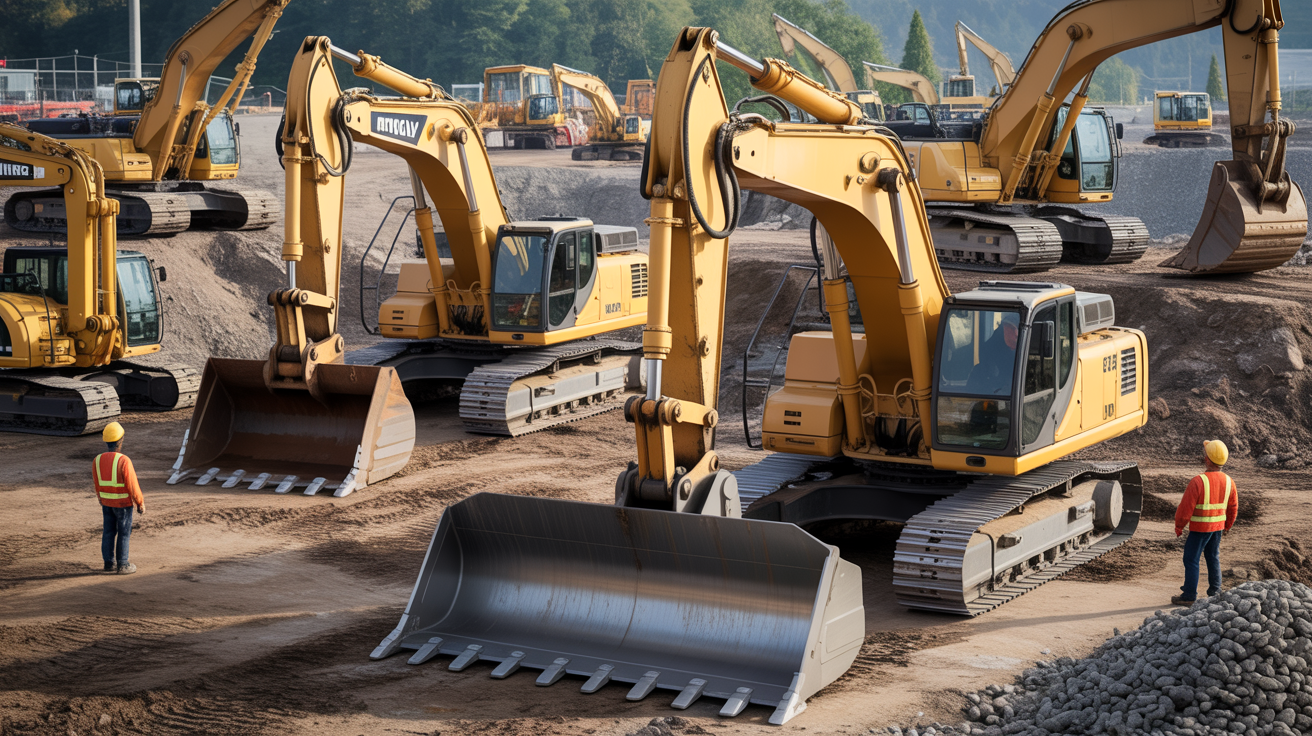
Choosing whether to hire or buy construction equipment is an important decision. It affects your budget, your workflow, and the long-term success of your projects. Many businesses struggle with this choice, especially when costs and needs change from job to job.
Here is a simple breakdown to help you decide.
Start by Understanding Your Needs
Before choosing to hire or buy, you must understand what equipment you actually need.
First, list all the tools required for your project.Next, consider how often you will use each item.Then, think about whether the equipment will be used daily, weekly, monthly, or only for special tasks.
After that, look at the size of your project. Larger projects may justify owning equipment, while smaller or short-term jobs may not.
The Benefits of Hiring Construction Equipment
Hiring construction equipment gives you flexibility. You get the exact tool you need only when you need it.
Next, you avoid large upfront costs.Then, you do not have to worry about storage, maintenance, or repairs.After that, you always have access to the newest models because hire companies regularly update their equipment.
Hiring is especially useful when:
- You need a machine for a short time
- You are working on a one-off project
- You want to test equipment before buying
- Your business is just starting and cash flow is limited
Finally, hiring prevents long-term commitment, which helps businesses stay agile.
The Downsides of Hiring
Hiring may cost more in the long run if you constantly rent the same equipment.
Next, availability can be a problem during busy seasons.Then, you may have to pause your project if the equipment you need is not available.After that, repeated hiring fees can add up quickly.
Finally, you do not build equity with hired equipment — once you return it, the money is gone.
The Benefits of Buying Equipment
Buying equipment is a long-term investment.
First, you always have the tools you need.Next, there is no waiting, no reservation process, and no hire fees.Then, owning equipment can increase your business value and reputation.
After that, you may save money over time if the equipment is used often.
Buying works best when:
- You use the equipment regularly
- You have long-term projects
- You want full control over scheduling
- Your business is stable and growing
Finally, equipment ownership allows you to customise or modify machines for your needs.
The Downsides of Buying
Buying costs more upfront. This can strain cash flow, especially for small businesses.
Next, you must pay for maintenance, servicing, and repairs.Then, you need storage space to keep equipment safe.After that, equipment can become outdated, losing value over time.
Finally, buying locks you into long-term ownership even if your needs change.
Compare the Costs
To make the best decision, compare the total cost of hiring versus buying.
First, calculate how often you will use the equipment.Next, add up hire fees over that period.Then, compare those costs with the purchase price.
After that, add extra ownership costs such as insurance, maintenance, fuel, and storage.
Finally, choose the option with the lowest long-term cost for your situation.
Think About Cash Flow
Cash flow is one of the biggest factors.
Hiring allows you to spread expenses over many months.Next, this protects your cash flow during slow periods.
Buying requires a large upfront payment.Then, you may need financing, which adds interest costs.
After that, consider whether buying will disrupt other important expenses.
Final Thoughts
Choosing to hire or buy construction equipment depends on your usage, budget, and long-term goals. Hiring is flexible, convenient, and affordable for short-term needs. Buying is cost-effective for frequent use and long-term planning.
Finally, take time to compare both options carefully. The right choice can save you money, reduce stress, and keep your projects running smoothly.
