


When purchasing a new home, ensuring electrical safety is crucial. An electrical safety checklist for home helps new homeowners identify potential hazards like outdated wiring, faulty outlets, or overloaded circuits. Key areas to inspect include the breaker panel, lighting systems, and smoke detectors. By following a detailed electrical inspection checklist, you can prevent risks and maintain a safe living environment. These home electrical safety tips are essential for long-term peace of mind.
Moving into a new home is an exciting milestone, but it also comes with responsibilities – especially when it comes to electrical safety. Many homeowners overlook the importance of inspecting their home’s electrical system, which can lead to potential hazards like faulty wiring or overloaded circuits. A comprehensive electrical safety checklist for home is essential for identifying risks and guaranteeing your living space is secure.
For new homeowners, understanding what to look for in your home’s electrical setup is critical. From testing outlets to evaluating the breaker panel, these steps can prevent costly repairs or dangerous situations. Consulting trusted Calgary electrical contractors can provide additional guidance if you’re unsure where to start. By prioritizing electrical safety, you create a foundation for a secure and worry-free home environment.
Essential Steps in an Electrical Safety Checklist for Home
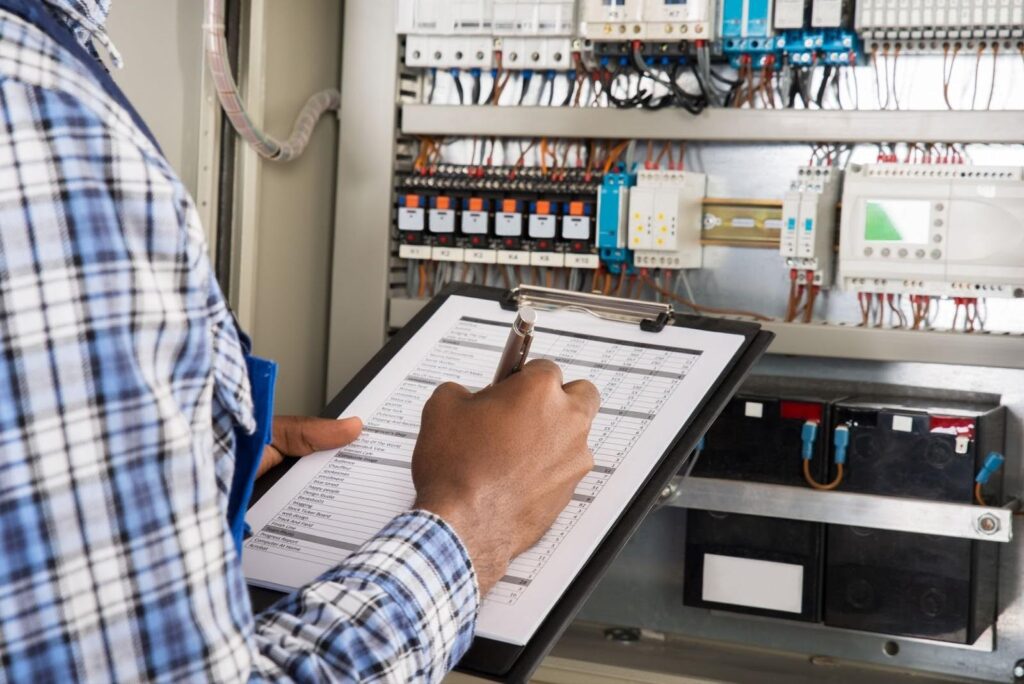
When it comes to maintaining a safe home, electrical systems are often overlooked until problems arise. A well-structured electrical safety checklist for home can help new homeowners identify and address potential hazards before they escalate. Here’s what you need to focus on:
Understanding Your Electrical Panel
The electrical panel is the heart of your home’s electrical system. It’s essential to make sure it’s functioning properly and meets modern safety standards.
- Check for signs of wear, such as rust, corrosion, or scorch marks.
- Verify that all breakers are labeled correctly for easy identification during emergencies.
- Look for outdated panels, such as those with fuses, which may not support today’s electrical demands.
Inspecting Outlets and Switches
Outlets and switches are frequently used but rarely inspected. These components can pose risks if not maintained properly.
- Test outlets with a voltage tester to confirm they’re working.
- Feel for heat around outlets or switches, which could indicate wiring issues.
- Replace any cracked or damaged faceplates immediately.
Evaluating Lighting Systems
Lighting plays a critical role in both functionality and safety. Faulty lighting can lead to accidents or electrical hazards. To be sure on what to check in new house electrical, follow this:
- Make sure all light fixtures are securely mounted and free of flickering bulbs.
- Upgrade to energy-efficient options like LED lights to reduce strain on your electrical system.
- Install smoke detectors in key areas, such as hallways and bedrooms, and test them regularly.
By addressing these foundational elements, you lay the groundwork for a safer home environment.
New Homeowner Electrical Tips to Prevent Hazards
Electrical hazards in a new home can often go unnoticed until they become serious issues. By following new homeowner electrical tips, you can proactively prevent risks and maintain a safe environment. Here’s how to stay ahead of potential problems:
Recognizing Warning Signs of Electrical Issues
Being aware of common electrical warning signs can help you address problems before they escalate. These include:
- Frequent breaker trips, which may indicate an overloaded system or damaged wiring.
- Flickering lights, often caused by faulty circuits or loose connections.
- Outlets or switches that feel warm to the touch, signaling potential wiring issues.
- Burning odours near outlets or appliances, which require immediate attention.
If you notice any of these signs, it’s advisable to consult a professional electrician for a thorough inspection.
Upgrading Outdated Systems
Older homes may have outdated electrical systems that are incompatible with modern demands. Consider these home electrical safety tips:
- Aluminum wiring, commonly found in homes built before the 1970s, is prone to overheating and should be replaced.
- Knob and tube wiring lacks the capacity for today’s electrical loads and poses fire risks.
- Upgrading your electrical panel ensures your system meets current safety standards and supports energy-efficient devices.
These upgrades not only enhance safety but also improve the functionality of your home’s electrical system.
Installing Safety Devices
Modern technology offers several solutions to enhance electrical safety:
- Smoke and carbon monoxide detectors provide early warnings in case of emergencies.
- Surveillance systems with no monthly fees or contracts offer peace of mind while protecting your property.
- Surge protection devices safeguard your electronics from voltage spikes caused by lightning or power outages.
By integrating these tools, you create a safer and more secure living space.
What to Check in a New House Electrical System Before Moving In
Before settling into your new home, it’s essential to verify that the electrical system is safe and functional. A thorough inspection ensures you’re not inheriting potential hazards from the previous owners. Here’s what to include in your electrical inspection checklist:
1. Assessing the Main Electrical Panel
The main panel is the backbone of your home’s electrical system. During your inspection:
- Confirm the panel has sufficient capacity to handle modern appliances and devices. Older homes may have panels rated at 60 or 100 amps, which might need an upgrade to 200 amps for today’s demands.
- Look for signs of wear, such as rust, corrosion, or scorch marks, which could indicate past issues.
- Make sure all breakers are labeled clearly for easy identification during emergencies.
If you’re unsure about the panel’s condition, consulting a licensed electrician can provide clarity. For instance, professionals offering electrical home inspections can identify risks like outdated wiring or insufficient grounding.
2. Testing Outlets and Switches
Outlets and switches are critical components that often go unchecked. Use these steps to evaluate them:
- Test each outlet with a voltage tester to make sure it’s functioning properly.
- Replace any outlets that feel warm or produce a buzzing sound, as these are signs of faulty wiring.
- Inspect for ground fault circuit interrupter (GFCI) outlets in wet areas like kitchens and bathrooms. These outlets prevent electrical shocks and are required by safety codes.
3. Evaluating Lighting and Fixtures
Lighting systems contribute to both safety and ambiance. Key areas to check include:
- Ensuring all light fixtures are securely mounted and free of flickering bulbs.
- Replacing incandescent bulbs with energy-efficient LED options to reduce strain on the electrical system.
- Installing smoke detectors in hallways and bedrooms, testing them regularly to make sure they’re operational.
By addressing these elements, you create a safer environment while guaranteeing your home meets modern standards.
Final Thoughts on Electrical Safety Checklist for Home
Ensuring your home’s electrical system is safe and functional is one of the most important responsibilities for new homeowners. By using a comprehensive electrical safety checklist for home, you can identify potential hazards, address outdated components, and maintain a secure living space. From inspecting the breaker panel to upgrading lighting systems, each step contributes to long-term peace of mind.
Remember, electrical safety is not a one-time task but an ongoing commitment. Regular inspections, timely upgrades, and proactive maintenance are key to preventing risks and guaranteeing your home remains a safe haven. With the right approach, you can enjoy a secure and worry-free environment for years to come.
