

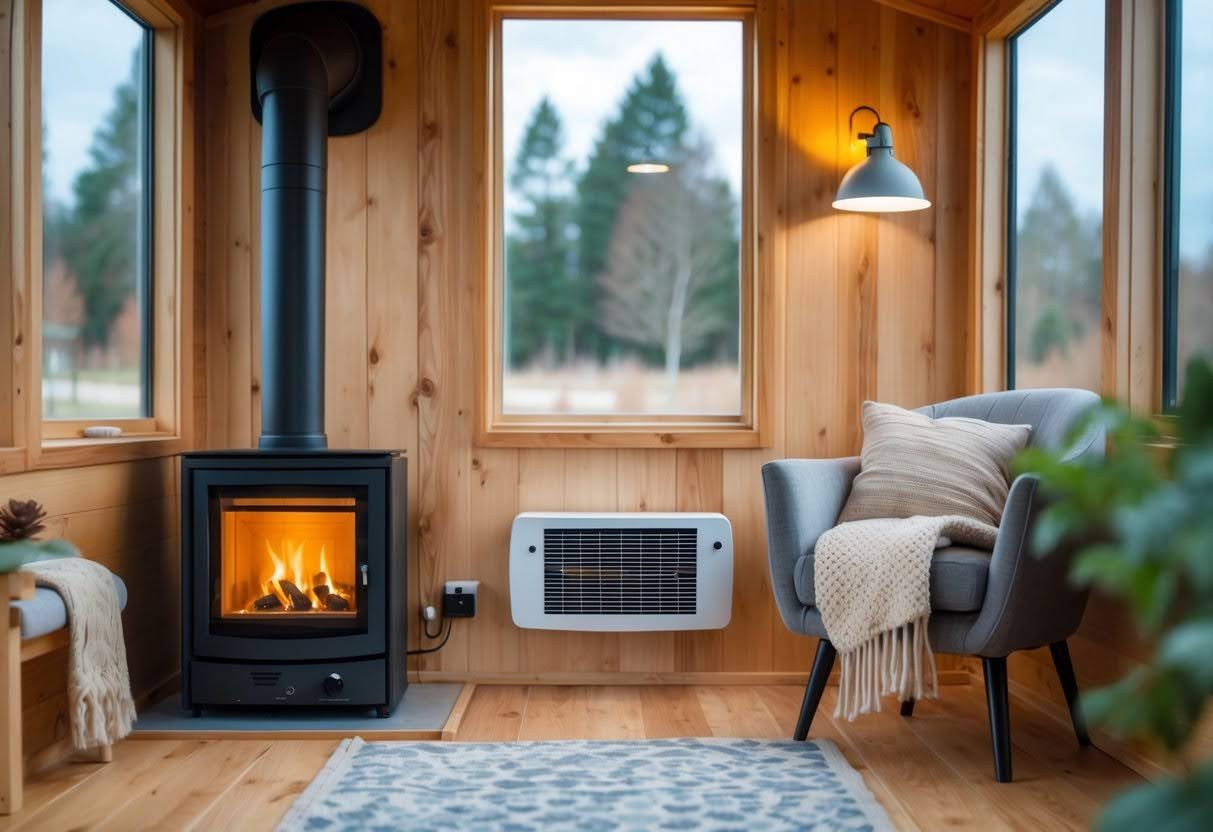
Staying warm in a tiny house requires smart planning since space is limited and traditional systems often don’t fit. The most efficient way to heat a tiny house is by choosing compact systems that balance energy use, comfort, and available space. Options like mini-splits, propane heaters, and wood stoves can provide consistent warmth without overwhelming the home.
The right choice depends on insulation, climate, and lifestyle. A well-insulated tiny house uses less energy no matter which system is installed, while portable or built-in options allow flexibility for different needs. Each method comes with its own strengths, from the steady efficiency of electric systems to the rustic comfort of a wood stove.
This guide explores how to select the best system, highlights five efficient heating methods, and shares practical tips for installation and long-term maintenance. With the right approach, a small space can stay warm, efficient, and comfortable all year.
Choosing the Right Heating System for Your Tiny House
Selecting a heating system depends on the size of the home, the insulation quality, and the available energy sources. Climate conditions, efficiency ratings, and installation requirements also play a major role in determining the best fit for comfort and cost.
Assessing Your Space and Climate
The square footage of a tiny house directly affects heating needs. A well-insulated 200-square-foot home may only need a small electric heater, while a larger 400-square-foot space could benefit from a ductless mini-split. Poor insulation increases demand on any system, making upgrades to walls, floors, and windows a priority before choosing equipment.
Climate also shapes the decision. A resident in Tennessee (TN), where winters are mild but still cold enough for heating, may not need the same system as someone in northern states. In colder regions, systems like propane heaters or wood stoves provide reliable performance during freezing temperatures.
Mobility matters too. A stationary tiny house can support a permanent HVAC installation, while a mobile unit may require portable or vented propane heaters. Evaluating how the home will be used ensures the system matches both lifestyle and environment.
Energy Efficiency Considerations
Energy efficiency reduces utility bills and improves comfort. Systems with high Seasonal Energy Efficiency Ratio (SEER) or Heating Seasonal Performance Factor (HSPF) ratings, such as ductless mini-splits, use less electricity while delivering steady heat.
Insulation upgrades often provide the greatest efficiency gains. Even the best HVAC system will waste energy if heat escapes through poorly sealed doors or thin walls. Adding weatherstripping, spray foam, or double-pane windows can cut heating demand significantly.
Fuel choice also affects efficiency. Propane heaters can be efficient in off-grid settings but require regular refueling. Electric systems may cost more to run in areas with high power rates, while wood stoves depend on consistent fuel supply. Matching the system to both energy costs and availability ensures practical, long-term performance.
Top 5 Efficient Heating Methods
Efficient heating in a tiny house depends on balancing energy use, comfort, and available space. Systems such as heat pumps, propane units, radiant floors, and compact stoves provide different benefits depending on whether the home is on-grid or off-grid, mobile or stationary.
Mini-Split Heat Pumps
Mini-split heat pumps provide both heating and cooling, making them a versatile HVAC choice for small homes. They operate by transferring heat rather than generating it, which significantly reduces energy consumption compared to electric resistance systems.
These units mount on the wall and connect to an outdoor compressor, requiring only a small amount of space. Their efficiency is highest in moderate climates, though cold-climate models can still perform well in freezing conditions.
Installation costs are higher than portable heaters, but long-term savings often justify the expense. Many models include programmable thermostats, allowing homeowners to maintain comfortable temperatures without wasting energy.
Key benefits:
- Dual heating and cooling function
- High efficiency compared to baseboard or space heaters
- Compact design suitable for small interiors
Electric Space Heaters
Electric space heaters are inexpensive, portable, and require no installation. They plug into a standard outlet and provide immediate heat, making them a practical option for supplemental heating or temporary use.
While convenient, they are less efficient for long-term heating in a tiny house. Electric resistance heat consumes significant power, which can be a challenge for off-grid setups relying on batteries or solar.
Safety is also important. Units with automatic shut-off, tip-over protection, and thermostatic controls reduce risks. For small spaces, ceramic or oil-filled radiator models are often preferred because they distribute heat more evenly.
Best for: short-term use, backup heating, or when mobility and low upfront cost are priorities.
Propane Heaters
Propane heaters offer a reliable heating method for both on-grid and off-grid tiny homes. They operate independently of electricity, making them useful in remote areas or during power outages.
Ventilated propane heaters are safer and more efficient than unvented models. Direct-vent units expel combustion gases outside, improving indoor air quality. They also provide steady, controllable heat without requiring frequent refueling when connected to larger propane tanks.
Operating costs depend on propane prices and usage, but efficiency remains consistent. Many models include thermostats and fans for better heat distribution. Proper ventilation and carbon monoxide detectors are essential for safe operation.
Advantages:
- Off-grid compatibility
- Consistent heating output
- Lower energy cost than electric resistance heating in many regions
Radiant Floor Heating
Radiant floor heating uses electric mats or hydronic tubing installed beneath flooring to distribute heat evenly across the surface. Instead of heating air directly, it warms objects and people in the room, creating a comfortable environment without drafts.
This method is energy-efficient because it operates at lower temperatures than forced-air systems. It also eliminates the need for visible heaters, saving valuable wall and floor space in a tiny house.
Installation is most practical during construction or major renovations since retrofitting can be labor-intensive. Hydronic systems paired with efficient boilers or solar thermal panels can further reduce energy use.
Key points:
- Even, consistent warmth
- No ductwork or visible equipment
- Best suited for permanent tiny homes rather than mobile units
Wood Stoves
Wood stoves provide a traditional and off-grid heating option for tiny houses. They require no electricity, making them ideal for remote locations or owners seeking independence from utility systems.
Compact models are designed specifically for small spaces, but proper clearance and ventilation are critical for safety. Chimney installation adds complexity, yet it ensures smoke and gases exit the home effectively.
Fuel availability also influences practicality. In wooded areas, firewood can be affordable and sustainable, while in urban settings it may be less convenient. Regular maintenance, including ash removal and chimney cleaning, is necessary for safe operation.
Notable strengths:
- Reliable off-grid heating
- Low ongoing fuel cost if wood is accessible
- Creates dry, steady heat suitable for cold climates
Installation and Maintenance Tips
Efficient heating in a tiny house depends on selecting the right system size, ensuring consistent upkeep, and following safe operating practices. Attention to these details helps extend equipment lifespan, reduce energy waste, and maintain reliable comfort in small living spaces.
Proper Sizing and Placement
Heating equipment must match the square footage and insulation level of the home. An oversized unit can cycle on and off too often, while an undersized one struggles to maintain temperature. Both situations increase energy use and wear on the system.
Mini-split HVAC units often work well in tiny houses because they provide both heating and cooling in a compact form. Placement matters just as much as size. Units should be installed where airflow is unobstructed and heat can circulate evenly.
For wood stoves, clearances from walls and furniture must follow manufacturer guidelines. Electric heaters should not be placed near water sources or flammable materials. Proper sizing and thoughtful placement reduce strain on the system and improve comfort throughout the home.
Routine Maintenance Practices
Consistent upkeep keeps heating systems efficient and safe. Filters in mini-split units or other HVAC systems should be cleaned or replaced every 1-3 months. Dirty filters reduce airflow and force the unit to work harder.
Wood stoves require regular ash removal and annual chimney inspections. This prevents buildup that can reduce efficiency and increase fire risk. Propane heaters should be checked for leaks at connections and fittings.
Basic checks also include inspecting seals around windows and doors. Even the best heating system wastes energy if drafts remain. A simple maintenance checklist can help homeowners stay on schedule:
- Monthly: Clean filters, check vents for blockages
- Seasonally: Inspect seals, test thermostat accuracy
- Annually: Professional service for HVAC in Lenoir City, TN, chimney cleaning, propane line inspection
Safety Precautions
Safety measures protect both the home and its occupants. Every tiny house with combustion-based heating should have a working carbon monoxide detector. Smoke alarms should be tested monthly and batteries replaced as needed.
Clearances around heaters and stoves must remain unobstructed. Items like curtains, bedding, or storage boxes should never be placed near heat sources. Extension cords should not power electric heaters, as they increase fire risk.
Ventilation is also critical. Propane and wood systems require proper venting to the outdoors to prevent harmful gas buildup. Routine checks of flues, vents, and seals ensure safe operation and reduce the risk of accidents.
Maximizing Comfort and Efficiency in Your Tiny Home
Efficient heating in a small space depends on more than just the heating system itself. Proper insulation, smart controls, and minimizing heat loss all play a direct role in maintaining steady comfort while keeping energy use low.
Insulation and Air Sealing
Insulation serves as the foundation for energy efficiency in a tiny home. Without it, even the most advanced HVAC system will struggle to keep temperatures stable. Walls, floors, and ceilings should be insulated with materials suited to the local climate, such as spray foam or rigid foam boards.
Air sealing is equally important. Small gaps around windows, doors, and utility penetrations allow warm air to escape and cold air to enter. Using caulk, weatherstripping, and expanding foam helps eliminate these leaks.
For those in colder regions like Tennessee (TN), high R-value insulation combined with airtight construction can reduce heating demand significantly. This ensures that systems like mini-split heat pumps or wood stoves operate more efficiently and require less energy to maintain comfort.
Smart Thermostat Integration
Smart thermostats give homeowners better control over heating in a compact space. Unlike traditional thermostats, these devices learn usage patterns and adjust heating schedules automatically. This prevents unnecessary energy use when the home is unoccupied or when occupants are asleep.
In a tiny home with a mini-split HVAC system, pairing it with a smart thermostat can fine-tune temperature control. Features like remote access through smartphones allow users to adjust settings while away, ensuring the space is warm upon return without wasting energy.
Some models also track energy consumption. This provides data that helps identify patterns, such as times when heating demand is highest. With this information, homeowners can make informed adjustments to reduce costs while keeping consistent comfort levels.
Reducing Heat Loss
Heat loss occurs through poorly insulated surfaces, air leaks, and inefficient windows. Double-pane or low-E windows reduce conductive heat loss, while thermal curtains add another barrier against cold air.
Doors should be insulated and properly sealed. Draft stoppers or door sweeps can limit airflow at entry points. Even small improvements in these areas can make a noticeable difference in a tiny home’s comfort.
Ventilation also plays a role. Controlled ventilation with heat recovery systems helps retain warmth while maintaining indoor air quality. This is especially useful in tightly sealed homes where natural airflow is limited.
By addressing these areas, homeowners reduce the workload on heating systems, extend equipment lifespan, and maintain a more stable indoor temperature throughout the season.
