

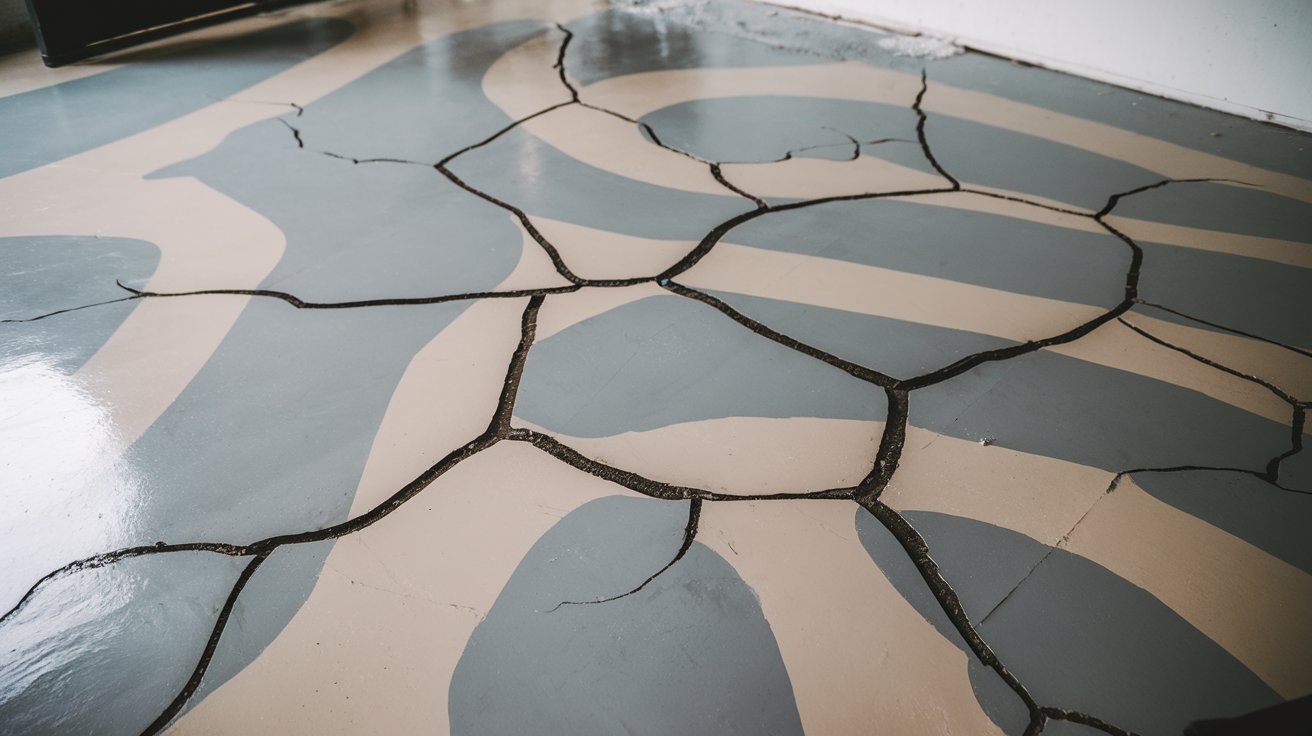
A jagged line across a hardwood floor or a split in some tiles can make any homeowner nervous. It’s natural to worry when your floors show signs of distress. Deep cracks can look alarming. However, most of the time, there’s a logical explanation behind them.
Think of these cracks and lines as messages from your home about what’s happening underneath the surface. Maybe the soil is shifting, or perhaps your furniture is weighing on the floors. Nearby construction could also be an issue.
Understanding the potential causes helps you act fast in addressing these cracks. With a few practical solutions, you can protect your home from incurring more damage. Here are 10 potential reasons why you’re seeing cracks on your floors and what you should do about them.
1. Natural Settling of an Older Home
If you’ve moved into an older home, you might notice cracks that seem to appear out of nowhere. Over time, every home experiences foundation settling as the weight of the house compresses the soil under it. This is a natural process, but it can leave floors and walls looking split or uneven.
To protect your home, start monitoring the cracks. Mark any new ones to track their growth. If you notice larger or rapidly expanding cracks, it might be a good idea to contact a foundation professional in your area. For instance, if you’re in Missouri, call a reputable foundation repair contractor in St. Louis who knows the local soil conditions and building regulations. Taking this step ensures your home stays stable for years to come.
2. Changes in the Soil’s Moisture Levels
Soil expands when wet and shrinks when dry. This puts more pressure on your foundation. Heavy rains or droughts can cause the ground under your house to shift. It can lead to cracks in floors and walls. That’s why you may notice uneven floors or gaps between tiles right after the wet season.
Try improving drainage around your house. Consider installing a French drain or grading your yard to move water away from the foundation. This can help stabilize the soil and prevent further cracks.
3. Clogged or Improperly Routed Gutters
When gutters overflow or aren’t properly routed, water pools near the foundation. This soaks the soil and puts pressure on the base of your home. Over time, this can cause cracks in the floors, particularly in basements.
The best way to prevent this is by cleaning your gutters regularly. Make sure downspouts carry water at least 5 to 10 feet away from the foundation. Adding splash blocks or extensions can carry water even further away, protecting your home from water damage. Regular inspection of your gutters after heavy rains can also alert you to any blockages that need fixing.
4. Plumbing Leaks That Weaken the Foundation
Water escaping from pipes gradually saturates the soil beneath your foundation. That creates weak spots, which eventually lead to cracks in your floors. Even a small, hidden leak can be a risk to your home’s stability. Signs include persistent damp smells or new hairline cracks in the same areas.
To avoid major damage, never delay plumbing maintenance. Check pipes regularly, and repair leaks promptly. If you notice a problem, call a plumber to address the leak before it affects the house’s structure.
5. Heavy Furniture or Appliances
Heavy furniture and appliances can create concentrated pressure on floors, especially hardwood or tile. Over time, the weight can cause indentations and large splits in the floorboards. You might see marks under a couch, piano, or refrigerator that weren’t there when you first moved in.
To protect your floors, place furniture pads or mats under heavy items. Rearrange large pieces occasionally to distribute the weight evenly. Paying attention to your floor wear patterns helps you identify areas that might need extra reinforcement.
6. Extreme Temperature Fluctuations
Homes exposed to drastic climates, like harsh winters, can experience expansion and contraction in their flooring materials. You may notice small splits appearing in the corners of rooms after the coldest months. These changes are more noticeable in homes with older flooring and less insulation.
Prevent this by keeping the indoor temperature consistent. Use thermostats and humidifiers when you can. Insulating floors and walls can also reduce the impact of seasonal changes. They also give your home a more even and comfortable feel throughout the year.
7. Nearby Construction Projects
Heavy machinery, digging, and vibrations from construction can shift the soil around your foundation. Maybe your neighbors are working on something. Perhaps your backyard renovation is hurting your home’s foundation. Any of these can lead to a slight misalignment in the flooring, resulting in some cracks.
Keep an eye on your home during nearby projects. Document any changes, and discuss protective measures with contractors, like minimizing excavation near your home. If something goes wrong, repair minor cracks quickly to prevent them from worsening. Be proactive so that your home remains safe while projects continue.
8. Tree Roots Growing Too Close
Certain trees can be surprisingly destructive to foundations. Trees that commonly damage homes include poplars, willow trees, and oak trees. These trees’ roots can aggressively grow under foundations and lift or crack flooring.
You might notice uneven areas or long cracks near walls, too. It means the roots are pressing up on them. Over time, these roots can also divert water away from drainage systems. That makes soil movement worse.
Solutions for this include careful tree removal to prevent future intrusion. You can also install some root barriers. Consult an arborist to ensure you remove problematic roots without harming the rest of your landscaping.
9. Vibrations from Nearby Roads or Railways
Living near busy roads or railways means constant vibrations. This can gradually loosen materials and create floor cracks. Even if the movement is subtle, over the years, it can shift tile and warp wood. These vibrations can also affect your home’s foundation over time.
If you live near roads or railways, consider reinforcing your flooring where possible. Install vibration-absorbing mats under sensitive areas to reduce stress. If you notice any cracks, address them promptly so they don’t get bigger.
10. Earthquakes or Minor Tremors
Seismic activity shakes the ground beneath your home, which can crack floors. Even minor tremors can create hairline fissures. If you live in an earthquake-prone area, take the necessary precautions as soon as warnings come out to protect your home. Anchor heavy furniture to prevent tipping. Inspect floors after any noticeable shake. Repair cracks quickly. These steps help keep your home stable and give you peace of mind when the ground moves.
Endnote
Seeing cracks in your floors can be unsettling, but knowing the causes makes them less intimidating. Many things can contribute to these imperfections in your home, from the natural setting of the house to even your own furniture. After pinpointing what’s causing the cracks in your home, what’s important is to act thoughtfully. Check for leaks, improve the drainage, and adjust heavy items. This way, you’ll give your floors the care they need to be strong and stable again.
