

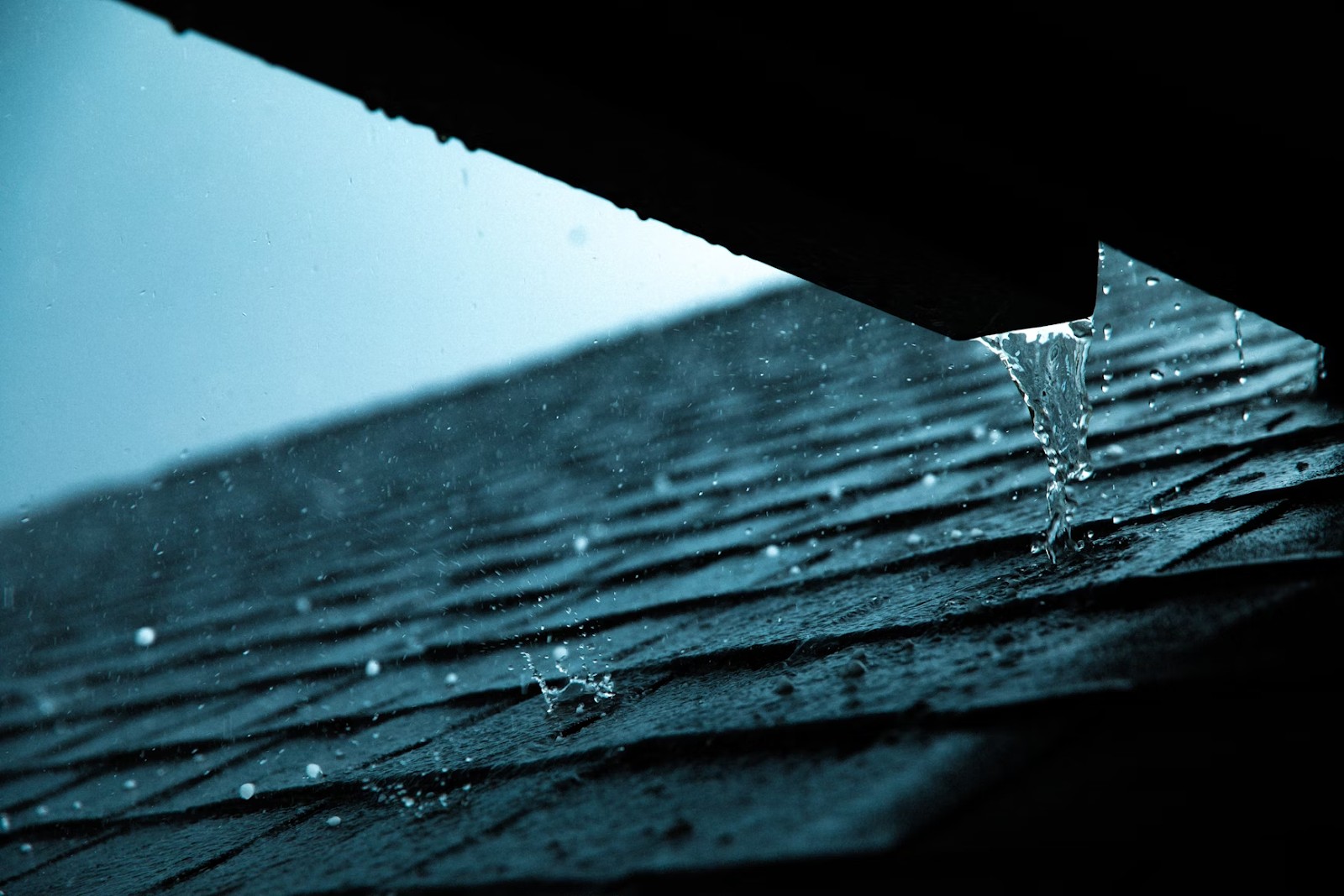
When there’s a storm warning out, you probably focus on how to stay comfy and dry indoors. It’s easy to reschedule plans, grab extra snacks, and come up with plans to stay entertained indoors. However, it’s just as important to get your house ready for the storm.
Heavy rain and strong winds can create problems that sneak up on you when you’re not prepared. Extra preparation can mean the difference between a smooth storm and costly repairs when it passes. Here are 10 home-related risks during a storm, and what you should do to stay ahead of them.
1. Leaking Roofs Due to Shingle Damage
Your roof is your home’s first line of defense against strong rains, but over time, the shingles can get damaged. When shingles are missing from the roof, water can slip through hidden gaps. This creates serious issues, specifically in your attic.
Attic roof leaks often start small with a stain on the ceiling. However, over time, they can weaken beams, ruin insulation, and get your home completely soaked. Before the rainy season, inspect your roof carefully. Replace missing shingles, and seal any cracks you see. This prevents water from seeping in when it storms. If a leak develops while it rains due to roof problems, contain the water with buckets and call a roofer immediately. Temporary tarps can shield the exposed area until the pros arrive to patch up the roof.
2. Clogged Gutters That Cause Overflow
Gutters are meant to guide rainwater safely away from your home, but debris, leaves, and twigs can cause blockages over time. When it rains and water has nowhere to go, water can seep into the walls, damage siding and erode your house’s foundation.
Take the time to clean the gutters thoroughly before the storm comes. Check downspouts for clogs, too. If you want to, you can install guards to reduce future debris build-up. This ensures the water flows as planned away from the house.
3. Flooding in the Basement
Basements often collect water when storms hit, especially if drainage is poor. It also happens when the grading around the house slopes toward the foundation. Basement flooding can damage flooring, stored belongings, and even electrical systems. The latter specifically creates a dangerous environment for you and your family.
To prevent flooding, check foundation cracks and seal them with waterproof compounds. Ensure your grading slopes away from the house. Assess your home’s drainage system and improve it where necessary. If flooding still occurs in the storm, move your belongings to higher ground. Remove the water from the basement only when it’s safe.
4. Old Windows Vulnerable to Water and Wind
Older window frames can allow water and wind to slip inside during heavy storms. Poorly sealed windows can lead to drafts, which increase energy bills, so inspect caulking and replace worn seals in your windows.
Another effective step is to protect your home with storm windows. These windows provide an extra layer of defense against heavy rain and gusts. They also make your home more energy-efficient. Arrange for this window upgrade before the rainy season hits. That way, even when the rain pours, your home stays dry and comfortable.
5. Disruptive Power Outages
Storms can cut the electricity in your home or across the entire neighborhood. A power outage might occur if wind or rain damages power lines. It could also occur only in your house if water gets into outdoor outlets or a branch hits your service line. These outages can disrupt things like heating, refrigeration, and lighting. This leaves you vulnerable during a storm.
Before the storm hits, check your backup generator, and keep flashlights and batteries ready. It also pays to have a trusted emergency electrician on call, just in case. Unplug sensitive electronics if the storm gets really bad. Preparing early keeps your family safe and your home functional even in inclement weather.
6. Fallen Trees Near Your Property
Storm winds and saturated soil can turn trees into serious threats. Gusts of wind and heavy rain can loosen their roots. This causes branches or entire trees to fall. Trees too close to the house are especially risky, as they can damage roofs, vehicles, fences, and power lines. Even a partially broken branch can cause harm if it crashes down during a storm.
To prevent this, inspect trees around your property regularly. Remove any that are dead or have weak branches. For larger trees, hire professional tree removal services rather than attempting it yourself. If a tree does fall during a storm, stay clear of the area until the storm’s over. Then, call the professionals right away for removal.
7. Water Damage to Exterior Walls
Rain can expose small cracks and peeling paint on your home’s exterior. That allows water to seep into the walls. Over time, that moisture weakens structural materials. Heavy, repeated rainfall can turn minor wall issues into serious problems if left unchecked.
Before the storm, inspect your walls carefully. Seal cracks, repaint worn areas, and repair damaged siding. You can also add protective barriers near vulnerable spots. Maintaining these walls properly ensures your home’s walls stay strong and dry, no matter how hard the rain falls.
8. Mold Growth in Hidden Corners
Even after the rain stops, leftover moisture can cause mold to form in dark, hidden areas. This commonly happens in basements and attics. It can even occur behind big pieces of furniture. Mold is bad because it spreads quickly, affects air quality, and can damage your belongings.
Keep an eye on damp areas when the rain stops. Ventilate vulnerable spaces to reduce humidity. If you notice mold, contact a mold restoration service for safe removal. Address the issue early to protect your home, and more importantly, your family’s health.
9. Cracked Driveways That Trap Water
Driveways with cracks can collect rainwater. This causes erosion and creates slippery spots that are dangerous for your family. Trapped water can also freeze in colder climates. This leads to larger cracks and can even encourage weeds or moss to grow.
Inspect cracked driveways before the storm season hits. Fill gaps with the appropriate sealants. Ensure a proper slope so water drains away from the house. Proper maintenance keeps your driveway safe and extends its lifespan.
10. Chimney Caps Allowing Water Inside
Chimneys without properly fitted caps can let rainwater enter the flue and the home. This water can corrode metal parts and even leak into ceilings. Check your chimney cap before the rainy season, and replace it if needed. Ensure that the flue is sealed properly before a storm hits. You should also consider waterproofing treatments for the masonry, just to be sure. Securing your chimney protects its structural components and keeps your home dry.
Endnote
Storms bring more than wind and rain. They reveal vulnerabilities in your house, whether it’s a weak roof, outdated windows, or a basement prone to flooding. By being aware of these risks early, you can take the necessary precautions to keep your home safe. That way, when the first drops of rain hit, you’ll have peace of mind that your house will be secure. All that’s left to do is stay in, keep yourself cozy, and watch over your home as you ride out the storm.
